Training zones made simple: feel, heart rate and power
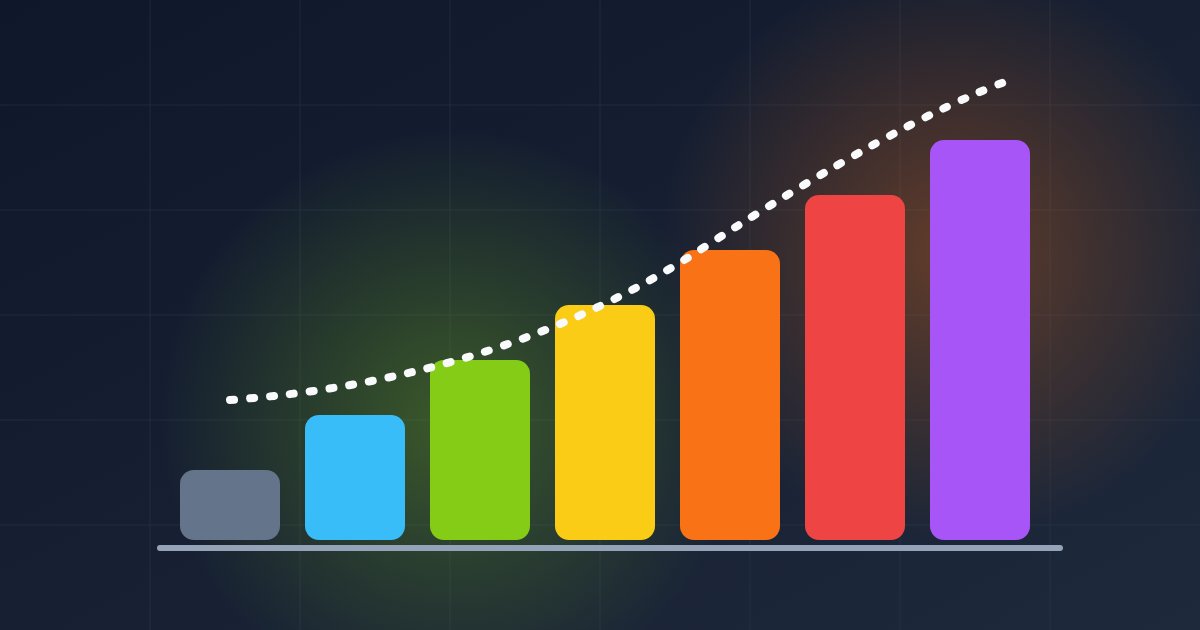
You open a training plan and there it is: "20 minutes in Z2, then 3 x 8 minutes in Z4." Cue the classic rookie question: Z what? Training zones sound like lab-coat stuff, but the idea is simple — split effort into bands so every ride has a clear purpose.
Without that structure, almost everyone falls into the same trap: riding at the same "kinda hard" pace every single time. It's too hard to count as recovery and too easy to actually make you faster. The result is plenty of fatigue and not much progress. In this post we'll break zones down as plainly as possible and show three ways to measure them — feel, heart rate and power. And no, you don't need expensive gadgets to get started.
What zones are actually for
Different intensities trigger different adaptations. Long, easy riding builds your aerobic base — the engine that lets you ride longer while getting less tired. Shorter, harder efforts teach your body to hold high intensities and bounce back between them. Zones are just a shared language for organising all that: instead of "go hard", the plan tells you exactly how hard.
There are plenty of models out there, with three, five or seven zones. Don't get hung up on it. If you're starting out, a five-zone model works great and is easy to remember.
The 5 zones, translated into bunch-ride language
- Z1 – Cruising: coffee-shop pace. You can chat, sing, laugh. Use it to warm up, loosen your legs and recover.
- Z2 – Endurance: breathing gets deeper, but you can still speak in full sentences. You could stay here for a long time. It's the foundation, and where most of your training should happen.
- Z3 – Tempo: short sentences, some focus required. The famous "comfortably uncomfortable". Useful, but it's also where beginners end up living without noticing.
- Z4 – Threshold: single words only. You can hold it for several minutes, maybe a few tens of minutes, with full concentration. This is where things get serious.
- Z5 – Full beast mode: talking? Forget it. Efforts from a few seconds to a few minutes, legs on fire, pain face on. Use sparingly.
Measuring by feel (costs nothing)
The simplest tool is the rating of perceived exertion, from 1 to 10, where 1 is lying on the couch and 10 is your absolute max. A handy mapping: Z1 sits around 1–2, Z2 at 3–4, Z3 at 5–6, Z4 at 7–8 and Z5 at 9–10. Combine it with the talk test — can you hold a conversation or not? — and you've got a surprisingly decent gauge.
The upside is that it's always with you and it accounts for everything: a bad night's sleep, heat, a stressful day at work. The downside is that it's subjective, and beginners tend to overdo it, especially on days that are supposed to be easy. A tip: at the end of every session, jot down the number you'd give the effort. Over time your sense of effort gets much sharper.
Heart rate: useful, but it lags
With a chest strap or a watch, you finally have a number to follow. Heart-rate zones are set from a personal reference, such as your maximum heart rate or your threshold heart rate. Be wary of generic age-based formulas: they're rough estimates and can be way off from one person to the next. If you want something more accurate, use data from your own rides or get tested by a professional.
Heart rate has two weak spots. First, it's slow to rise, so on short Z5 efforts the number only catches up once the effort is over. Second, it shifts with heat, caffeine, sleep, hydration and stress — and indoor sessions tend to run hot. On long rides it's normal for your heart rate to creep up even when the effort stays the same. That's why it works best for long, steady sessions. And if you have a heart condition or any doubts about your health, talk to a doctor before taking on hard training.
Power: instant feedback, but it needs a reference
If you ride a smart trainer or have a power meter, you get watts, which respond instantly to what you do on the pedals. Power zones are calculated from your FTP — in simple terms, the power you could sustain for roughly an hour. Without a reasonably up-to-date FTP, your zones are just guesses.
Power is brilliant for intervals because it tells you right away whether you're above or below target, and it doesn't drift with heat the way heart rate does. But it has limits too: your power meter doesn't know you slept badly. The same watts can feel much harder on a tired day. The golden rule is to combine them: power or heart rate tells you what to do; feel tells you whether you can do it today.
How to start this week
- Pick your gauge. Use what you already have. No gadgets at all? Feel and the talk test will do the job.
- Make easy days genuinely easy. Keeping your ego in check in Z2 is harder than it sounds, but that's where your base gets built.
- Keep the intensity focused. One or two sessions a week with blocks in Z3 or Z4 are plenty to begin with. Z5 is seasoning, not the main course.
- Log what you planned and what you felt. Comparing the planned zone with your effort rating helps you dial everything in within a few weeks.
- Reassess every so often. As you get fitter, your reference numbers change. Outdated zones make training too easy.
Whether you're riding Peba Pro or anything else, understanding zones turns "ride until I'm tired" into training with a purpose. That's how you go from rookie to beast: one well-executed block at a time.
Pick today's zone and go ride on Peba Pro — it's free.
Create Free Account