Vuelta a España: the Grand Tour of Walls and Heat
What is the Vuelta a España?
The Vuelta a España is one of cycling's three Grand Tours, alongside the Tour de France and the Giro d'Italia. If you're new to watching cycling, the idea is simple: a Grand Tour is a stage race that lasts about three weeks. There are 21 stages, with rest days sprinkled in, because even professional cyclists are not made of steel.
The first edition took place in 1935, and the race rolls across Spain on a route that changes every year. In total, it covers approximately 3,000 km. Nobody rides it in one go: every stage tells its own story.
One detail that makes the broadcast much easier to follow: the winner of the Vuelta is not necessarily the rider who wins the most stages. The winner is whoever has the lowest accumulated total time, known as the general classification. That means a rider can go three weeks without winning a single stage and still lift the final trophy, as long as they are consistent and lose little time on the hard days.
When and where it happens
These days the Vuelta takes place between the end of summer and the start of autumn in the northern hemisphere, from late August through September. The weather follows the season: strong heat is common, and the Spanish sun makes anyone who skips their water bottle pay for it. The main pack of riders, the peloton, can feel it.
The setting is Spain from end to end, with landscapes ranging from coastline to seriously high mountains. As in every Grand Tour, the terrain is varied. There are calmer days, time trial days (when each rider races alone against the clock) and, above all, mountain days. And the mountains are where the Vuelta really stands out.
The final stage traditionally finishes in Madrid, in a party atmosphere. After three weeks of suffering, the peloton arrives in the Spanish capital and the overall champion gets his or her moment in the sun.
The walls: its trademark
The Vuelta is famous for extremely steep climbs, with several stages finishing at the top of true "walls". Instead of a long, steady climb, picture a ramp that feels like a wall, where riders can barely keep the bike upright. It is the kind of setting where time gaps show up fast.
A few names you will hear a lot:
- Alto de l'Angliru: one of the most feared climbs in the sport, a byword for pure suffering.
- Lagos de Covadonga: a classic ascent, surrounded by mountain scenery and lakes.
- Sierra Nevada: a high mountain where effort is combined with altitude and heat.
When a stage ends at the top of one of these climbs, whoever feels good attacks, and whoever feels bad loses time right there. There is nowhere to hide.
The red jersey
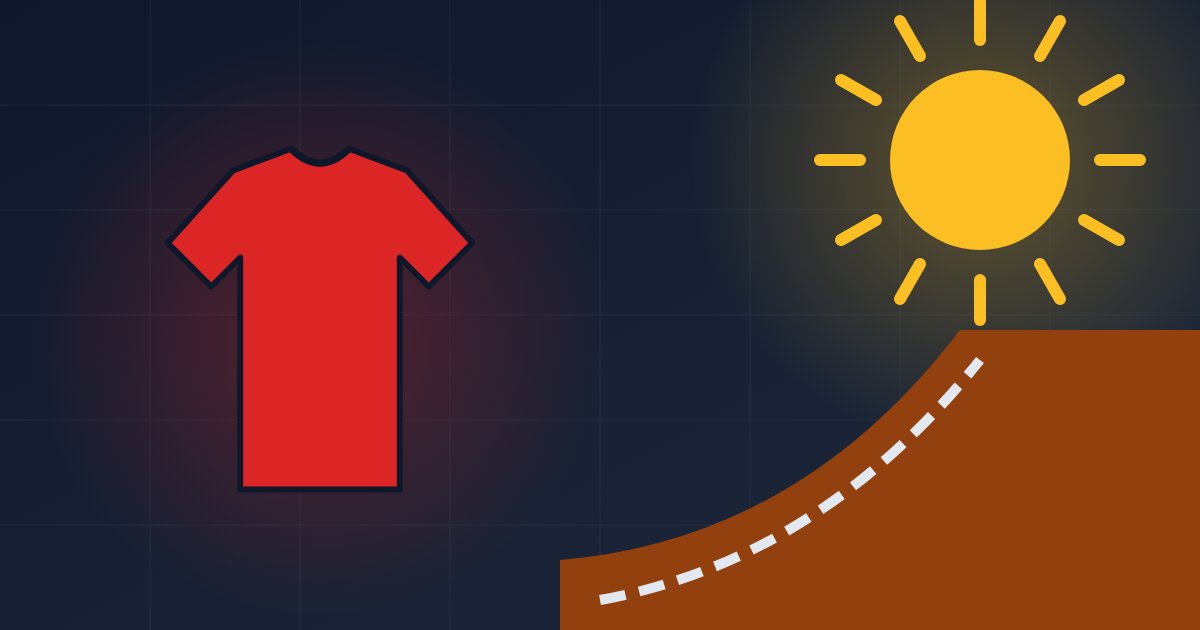
In stage races, a special jersey identifies the leader so everyone can spot them in the middle of the pack. At the Vuelta, the overall leader's jersey is red, and it has been since 2010. Before that, the race used other colors for its leader, so if you see old photos with a different jersey, it is not a mistake. It is history.
The rider wearing red at the end of the day is the one with the lowest total time so far. He or she starts the next stage with the jersey on and a target on their back, because every rival will try to take the lead away.
What to watch for
To enjoy the Vuelta without being an expert, keep an eye on a few things:
- Uphill finishes: this is where the differences appear. Watch who accelerates and who starts to drop off the back.
- The heat: on very hot days, the race may start slowly and then explode near the end.
- The red jersey: follow how much time the leader has over the runner-up. That number tells you whether the battle is still open.
It is also worth knowing that there is a women's edition, La Vuelta Femenina, which brings the same energy to the professional female riders.
All in all, the Vuelta is the Grand Tour of walls, heat and a final celebration in Madrid.
Want to see where this race fits on the calendar? Check out our overview of the main races in world cycling.
Want to ride real routes on your trainer? Create your free Peba Pro account.
Create Free Account